Everyone needs somewhere to leave the car.
Stations, airports, hospitals, shopping streets, city centres — daily life runs through places with parking. It is not glamorous. That ordinariness, repeated millions of times a day, is exactly what makes it worth understanding.
A map of an ordinary day
Parking demand comes from routines people repeat without thinking — the commute, the shop, the flight, the visit. Those routines are what keep a well-located site in use.
- The morning commute
Drivers who catch the same train each weekday need the same space each weekday. Near stations and office districts, that habit fills sites before the working day starts.
- The street people live on
In dense neighbourhoods, residents need somewhere to leave the car overnight — every night, not just at weekends.
- The flight out
Airports see longer stays: parked on Monday, collected on Friday. Travel patterns like these can support multi-day parking.
- The hospital visit
Staff on shifts, visitors at visiting hours. Hospital demand is steady, and it does not follow the tourist season.
- Shops and evenings out
Retail districts draw shoppers by day and diners by night — two waves of demand at the same location.
- The big night
Concerts, matches, and tourist seasons bring sharp peaks around venues. Strong weeks — and quiet ones too.
- The charging stop
Where the site supports it, EV charging adds a second reason to stop — and can add income alongside parking. Not every site qualifies.
- The last space nearby
Where nearby alternatives are scarce, a well-placed site can stay busy. Scarcity cuts both ways if new supply opens.
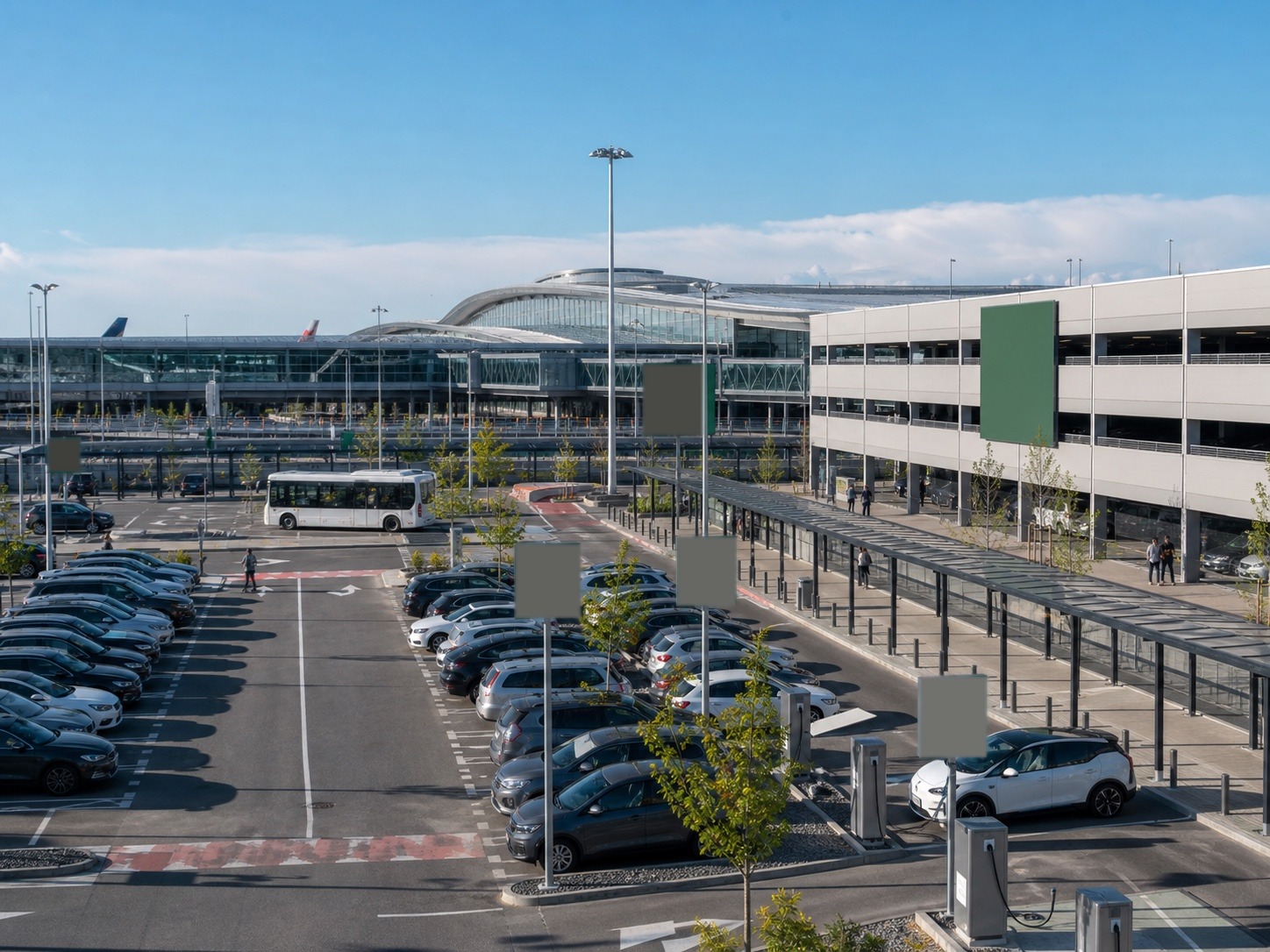
Some sites can do more than parking
Where a site allows it, EV charging and related services may earn alongside core parking income. That does not mean every opportunity will earn more, and it does not guarantee higher investor returns.
Read the guides →What can go wrong
- A cheaper competitor opening nearby — or a council changing prices, permits, or access — can quieten a site that was busy last year.
- Lifts, barriers, lighting, resurfacing, staff: operating costs come out before income reaches investors, and empty spaces earn nothing.
- Cities keep rethinking the car. Low-emission zones, removed bays, and new cycle lanes can shift demand over years, in either direction.
- Target returns can be missed. You may receive less than expected, receive it later, or lose part or all of your capital.
Explore the opportunities
Compare the places, the terms, and the risks before you decide.